Louisiana Tour Company Explores How Seasonal Temperature Changes Influence Alligator Behavior in Louisiana Wetlands
Alligator behavior changes noticeably with the seasons because temperature affects so much of what these animals do”—
Press Release Disclaimer: This is a press release distributed through the XPR Media network. It has not been independently verified by our newsroom.

NEW ORLEANS, LA, UNITED STATES, November 12, 2026 /EINPresswire.com/ —
American alligators inhabiting Louisiana’s wetlands experience substantial changes in temperature throughout the year, influencing their movement, feeding patterns, and daily activity. Unlike mammals and birds, alligators rely primarily on environmental conditions and behavioral adjustments to regulate their body temperature.
Louisiana Tour Company, based in New Orleans, Louisiana, is examining the relationship between seasonal temperatures and alligator behavior in the state’s swamps, marshes, lakes, and other freshwater habitats.
American alligators (Alligator mississippiensis) are ectothermic reptiles, meaning that external sources of heat play a major role in determining their body temperature.
Although alligators produce metabolic heat, they do not maintain a relatively constant internal temperature through physiological heat production in the same manner as mammals.
Instead, they move between warmer and cooler environments to regulate their temperature.
Understanding Ectothermic Temperature Regulation
Alligators depend on a combination of sunlight, air temperature, water temperature, and contact with surrounding surfaces to influence their body heat.
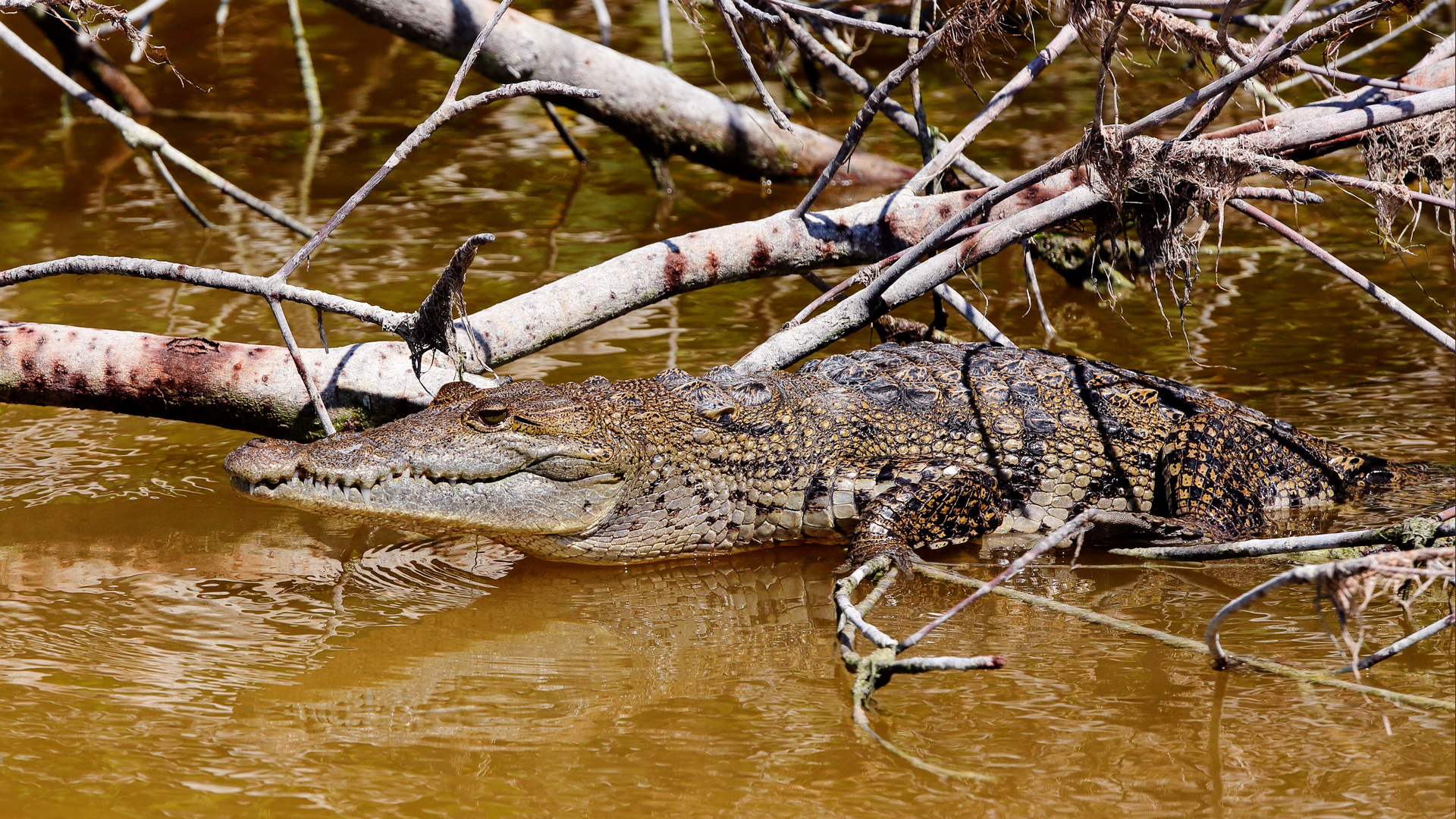
On cool days, an alligator may emerge from the water and position itself in sunlight.
This behavior, commonly called basking, allows the animal to absorb heat from its surroundings.
When temperatures become excessively warm, the alligator may return to the water, seek shade, or alter its body position to reduce heat exposure.
These adjustments help maintain body temperatures suitable for physiological activities.
“Alligator behavior changes noticeably with the seasons because temperature affects so much of what these animals do,” said Milton Walker Jr., owner of Louisiana Tour Company in New Orleans, Louisiana. “An alligator resting in the sun or remaining in the water is responding to environmental conditions. Understanding those patterns helps explain why alligators may be more visible at certain times of the year.”
Temperature and Metabolism
Body temperature influences an alligator’s metabolic rate.
During warmer periods, metabolic processes generally occur more rapidly, supporting increased activity, digestion, and feeding.
As temperatures decline, metabolism slows.
This reduction affects how frequently alligators move and how much food they require.
Alligators do not need to maintain the continuous high metabolic rates characteristic of warm-blooded animals.
Their energy requirements can therefore vary considerably with environmental conditions.
Springtime Activity
As Louisiana temperatures begin rising during spring, alligators typically become more active.
Increasing warmth supports greater movement and feeding activity.
Spring also coincides with important reproductive behaviors.
American alligator courtship and mating generally occur during the warmer months, with timing influenced by regional conditions.
Basking remains important because air and water temperatures can fluctuate during the transition from winter to summer.
An alligator may spend time warming itself before becoming more active later in the day.
Summer Heat and Cooling Behavior
During Louisiana summers, alligators encounter high air temperatures and warm water.
Although warmth supports metabolism, excessive heat can create physiological stress.
Alligators may regulate temperature by entering water, using shaded areas, or adjusting the timing of their activity.
Water can provide a different thermal environment from exposed land.
Depending on conditions, it may help an alligator cool down or maintain a more stable temperature.
Alligators may also remain submerged for periods, although they must return to the surface to breathe.
Autumn and Changing Activity Patterns
As daylight hours shorten and temperatures gradually decline, alligator activity patterns begin changing.
Cooler conditions can reduce feeding frequency and movement.
However, Louisiana’s autumn weather is variable, and warm periods may still support considerable activity.
An alligator’s response depends on local conditions rather than the calendar alone.
Water temperature, sunlight, and recent weather can all influence whether an animal is active or resting.
Winter and Reduced Metabolism
During colder weather, alligators often become substantially less active.
Their metabolism slows, and feeding may decrease or stop for extended periods.
In suitable habitats, alligators may remain in protected aquatic areas or use burrows and other sheltered locations.
This cold-weather reduction in activity is associated with brumation, a term used to describe dormancy-like behavior in reptiles.
Brumation differs from mammalian hibernation and does not necessarily involve uninterrupted inactivity.
Alligators may respond to warmer conditions by moving or basking.
The Role of Water Temperature
Water plays an important role in alligator thermoregulation.
Because water changes temperature differently from air, aquatic habitats may provide relatively stable conditions during some weather events.
Alligators can move between shallow and deeper areas or between exposed and sheltered locations.
The thermal characteristics of a particular habitat depend on water depth, sunlight, vegetation, and weather.
These variations influence where alligators spend time throughout the year.
Why Visibility Changes With the Seasons
Seasonal temperature regulation helps explain why alligators may be easier to observe during certain conditions.
On a mild, sunny day, an alligator may bask along a shoreline.
During extreme heat or cold, the same animal may remain less visible in the water or sheltered habitat.
Visibility is also affected by water levels, habitat structure, human disturbance, and other factors.
The absence of visible alligators does not indicate that a wetland lacks an alligator population.
Understanding Seasonal Adaptation
Alligators have occupied southeastern North American wetlands for millions of years, and behavioral temperature regulation is an important part of their biology.
Their movements between sunlight, shade, land, and water allow them to respond to changing environmental conditions.
Throughout Louisiana’s seasonal cycle, temperature influences feeding, movement, digestion, and habitat use.
Observing these patterns provides insight into how an ectothermic predator functions within the state’s wetland ecosystems.
Morgan Thomas
Rhino Digital, LLC
+1 504-875-5036
email us here
Visit us on social media:
Facebook
Legal Disclaimer:
EIN Presswire provides this news content “as is” without warranty of any kind. We do not accept any responsibility or liability
for the accuracy, content, images, videos, licenses, completeness, legality, or reliability of the information contained in this
article. If you have any complaints or copyright issues related to this article, kindly contact the author above.

Media gallery