Carolina Fence Company Clarifies Street-Facing Fence Heights Under Town Development Rules
SUMMERVILLE, SC - November 24, 2026 - PRESSADVANTAGE - Carolina Fence Company has previously published information on
Press Release Disclaimer: This is a press release distributed through the XPR Media network. It has not been independently verified by our newsroom.

SUMMERVILLE, SC – November 24, 2026 – PRESSADVANTAGE –
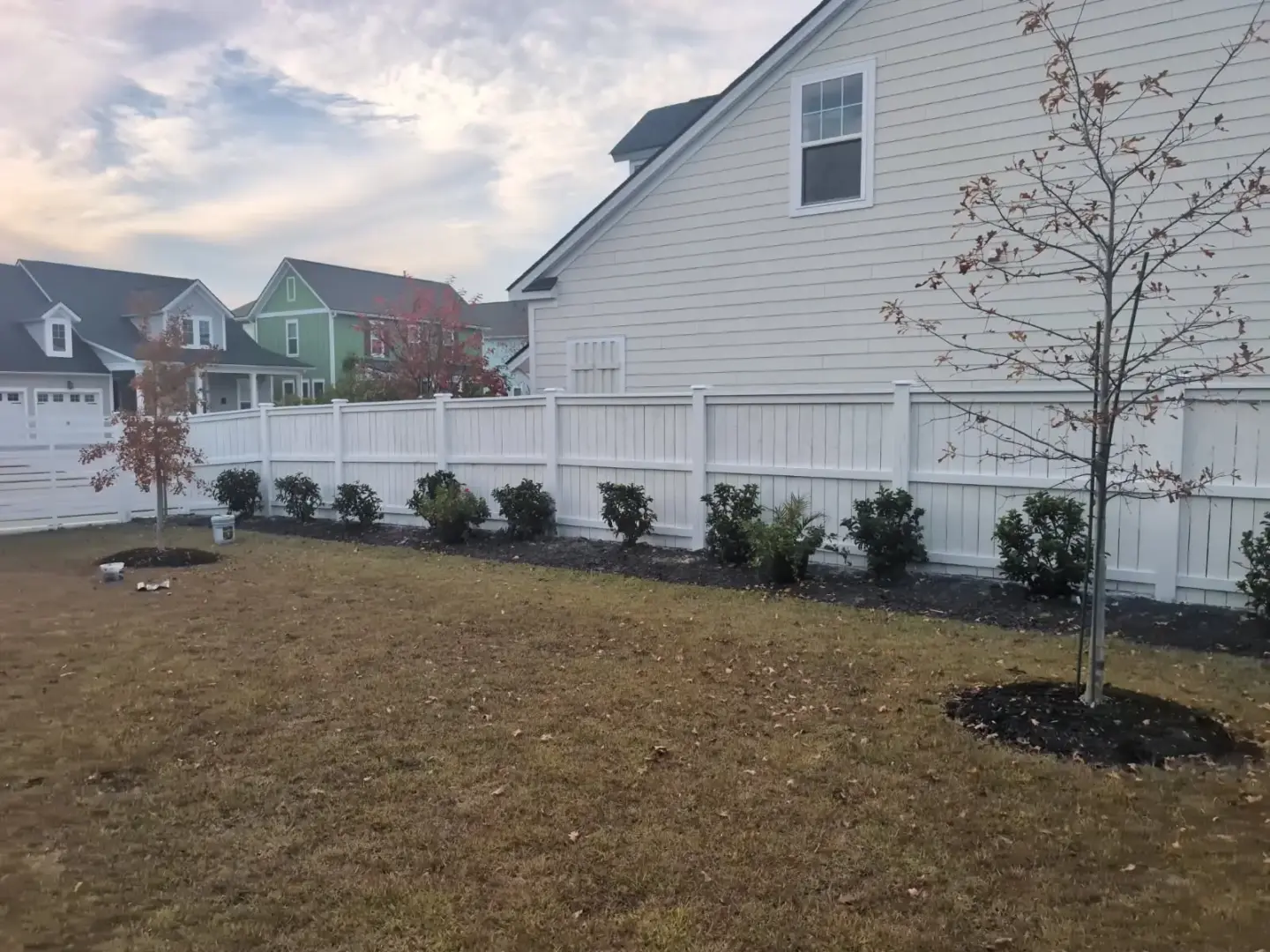
Carolina Fence Company has previously published information on fence height in Summerville, where the town’s development rules distinguish between open and opaque fences in certain street-facing setbacks. The distinction matters when a proposed fence enters the required front setback or the street-side or street-rear setback of a corner lot.
Under the town’s Unified Development Ordinance, a non-opaque fence encroaching into one of those required setbacks may be no taller than 4.5 feet. An opaque fence or wall encroaching into the same areas may be no taller than 3 feet. The ordinance allows fences and walls to extend into required setbacks up to property lines, subject to the stated limits and other applicable rules.
The provisions apply within town limits and address fences that encroach into the specified required setbacks. They should not be treated as a single height limit for every fence facing a street or every property with a local mailing address. A property outside municipal boundaries may instead be subject to county requirements. The governing jurisdiction and the lot’s zoning district should be identified before a fence layout is finalized.
A required setback and a property line are different reference points. A setback establishes an area governed by the applicable development standards, while the property line marks the boundary of the parcel. The town’s ordinance permits qualifying fences to extend into the setback, but the applicable height depends on location and whether the fence is opaque. The ordinance allows an encroachment into an easement only when the easement holder permits it.
That distinction can affect a homeowner’s choice of fence style. A solid privacy panel and a design that allows views through the fence may be treated differently when placed within a covered setback. The ordinance uses the terms opaque and non-opaque; the town should confirm how those terms apply to a particular design, including panels with partial gaps or decorative tops. A manufacturer description alone does not establish the town’s determination.
Corner lots require particular attention because more than one side of a property may face a street. The ordinance expressly includes the street-side or street-rear yard of a corner lot in the setback provision. A fence planned along a side boundary is not necessarily treated the same way as a fence along an interior side boundary away from the street. A site plan can show the proposed line alongside the relevant boundaries and setbacks.
Visibility is another consideration near streets and driveways. The town’s ordinance establishes sight-distance requirements and prohibits obstructions that impair visibility within the applicable sight triangle. Fence placement near a corner or driveway should be reviewed against the relevant location-specific standards rather than relying on height alone. The presence of a street, a driveway, or a state-maintained road can affect which requirements apply.
Permitting and design review should also be checked before installation. The ordinance’s fence diagram calls for a zoning or development permit, while another permitting provision distinguishes among property types and locations. Property owners should ask town staff which permits apply to the proposed fence rather than assume a particular project is exempt. Historic district properties and designated landmarks can also require a certificate of appropriateness or other review.
A property survey or plat can help identify the lot lines and documented easements. The owner and installer can compare the proposed fence line with the property’s zoning information, the recorded easement terms, and the location of any driveway or street intersection. Where an easement or right-of-way is involved, the responsible authority or easement holder may need to review the proposed placement separately from the fence permit.
Homeowners association rules may add another layer of review where a property is subject to recorded covenants. Those private requirements do not replace municipal standards, and approval from an association does not by itself establish that a fence meets town requirements. The town and any applicable association can confirm the materials and documents needed for their respective reviews.
Carolina Fence Company provides residential and commercial fence installation in the Summerville area. Its listed services include site assessment and planning, site preparation, and fence installation.
###
For more information about Carolina Fence Company, contact the company here:
Carolina Fence Company – Summerville
Alex Buckman
+18433058284
alex@carolinafencecompany.com
1544 State Rd Suite 107, Summerville, SC 29486, United States